To
The Prospective Angel Investor
From
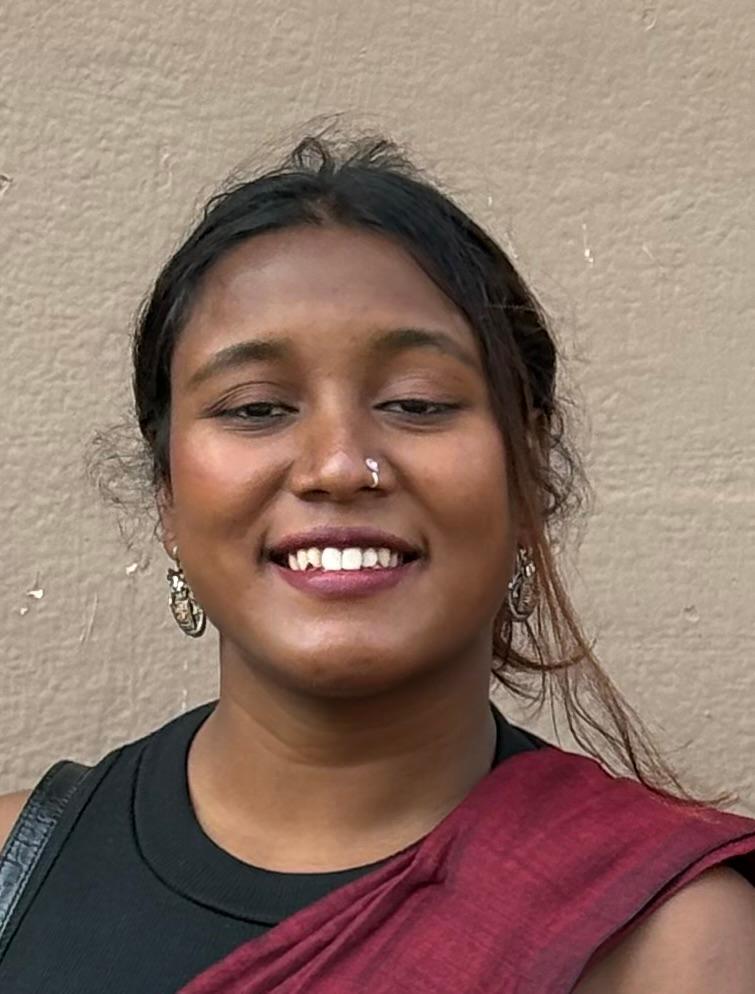
Group A - Miss Mistrilia Ekka
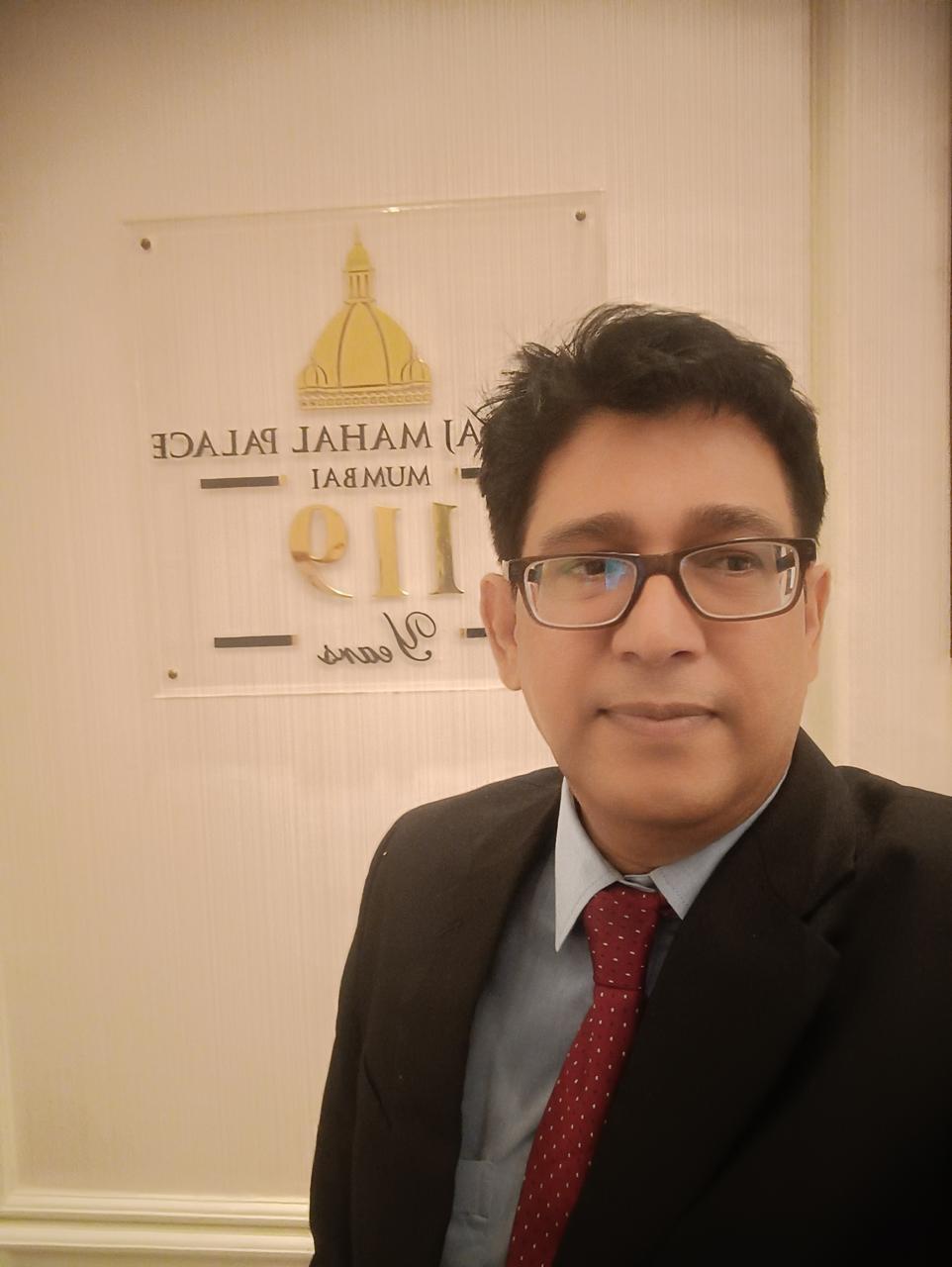
Group B - Dr Shrikant Pareshnath Hathi
Proposed Mushroom Production and Marketing Project
Subject: Proposal for 30 Percent Equity Investment in a 26 Month Pilot Mushroom Production and Marketing Project
Dear Sir or Madam,
It is with great enthusiasm that we invite you to partner with us on an innovative agricultural venture. We have developed a scientifically rigorous business model centered around the high-potential mushroom industry. This document outlines our proposal for a 26-month pilot program. Our goal is to demonstrate that high-quality mushroom cultivation, combined with strategic marketing and product diversification, can create a highly profitable enterprise. The proposal uses the stated Indian mushroom-market value of approximately Rs 1200 crore and the stated 12 percent annual growth assumption as planning context. These market figures, like the project financial projections, should be independently validated during due diligence and updated as evidence becomes available. The operational base for this project will be strategically located in the Bagdogra and Darjeeling region, with administrative oversight facilitated from our office in Mumbai.
Mushrooms are no longer a niche product. They have become a mainstream food item, appreciated for their taste, nutritional value, and versatility. From high-end restaurants to everyday home kitchens, mushrooms are in demand. However, the supply chain in India is still fragmented. There is a clear gap between what is available and what the market really wants: consistent quality, reliable supply, and value-added products. Our project is designed to fill that gap. We are not just farmers; we are food entrepreneurs. We plan to build a brand that stands for freshness, purity, and innovation.
The Bagdogra-Darjeeling region offers a unique advantage. The climate is naturally conducive to mushroom cultivation, especially for oyster mushrooms. The proximity to major markets like Siliguri, Kolkata, and even the northeastern states gives us a logistical edge. We can reach our customers quickly, ensuring that our fresh produce reaches them at peak quality. Moreover, the region has a rich agricultural tradition, which means we can easily find skilled labor and raw materials locally. This combination of natural advantage and market access makes our project highly viable from day one.
We are fully aware that investors look for more than just a good idea. They look for a solid plan, a committed team, and a clear path to profitability. This proposal addresses all three. Our team brings together hands-on farming experience and professional legal and strategic expertise. Our financial projections are planning assumptions and are to be tested against actual invoices, yields, selling prices, channel-level contribution and operating records during the pilot. And our commitment to transparency means you will always know exactly how your money is being used and how the business is performing.
We are not asking for a blind leap of faith. We are asking for a partnership based on mutual trust and shared goals. We believe that by working together, we can build something truly special: a business that not only generates great returns but also contributes to the local economy, creates jobs, and promotes sustainable agriculture. We invite you to read this proposal carefully and join us on this exciting journey.
1. Project Overview and Objectives
Our vision is to transform the traditional view of mushroom farming into a modern, data-driven agri-enterprise. We are not just growing mushrooms; we are building a brand that focuses on consistency, quality, and diverse product offerings. Our product range will include high-grade fresh mushrooms, mushroom spawn which are the seeds of the mushroom, dried mushroom products, nutrient-rich mushroom powder, and value-added items like pickles and instant soup mixes. Additionally, we plan to provide professional training services, adding a service-based revenue stream to our manufacturing model.
The pilot phase is essentially our proof of concept. Over the course of 26 months, we will collect precise data on production yields, market reception, and operational costs. The proposal retains the working objective of reaching break-even within the first 10 months and positive cash flow by month 12; these are management targets rather than guaranteed outcomes and are to be tested against actual pilot evidence. Every rupee invested will be tracked, with a heavy emphasis on maximizing the yield per square foot of cultivation space.
We have deliberately chosen a pilot phase rather than going for a full-scale operation from the start. This allows us to learn, adapt, and refine our processes with minimal risk. If the pilot is successful and we are confident it will be, we will have a proven model that can be scaled up quickly. This approach not only protects your investment but also ensures that when we do expand, we do so with a solid foundation of knowledge and experience.
Our long-term objective is to become a leading player in the Indian mushroom industry. We aim to be known for our quality, our innovation, and our commitment to sustainability. We want to be the first choice for customers who care about where their food comes from and how it is produced. This is not just a business for us; it is a passion. We believe that mushrooms have the power to improve health, support rural livelihoods, and protect the environment. Our project is our way of contributing to that vision.
2. Proposed Partnership Structure
To ensure a balanced and motivated team, we have structured our equity distribution to reflect the contributions of all parties involved:
- Group A - Miss Mistrilia Ekka: Holds 65 percent sweat equity. As the person on the ground managing the day-to-day production, this reflects the immense time and labor commitment required to run a farm successfully.
- Group B - Dr Shrikant Pareshnath Hathi: Holds 5 percent sweat equity. This recognizes the critical nature of legal, regulatory, and strategic guidance provided to keep the enterprise compliant and protected.
- Group C - Angel Investor: Holds 30 percent equity. This is a significant stake for an investor, offering both ownership and a meaningful say in the high-level strategic direction of the company, while allowing the operational team to handle daily farm management.
We believe this structure is fair and motivating for everyone. Group A, who will be working tirelessly on the farm, gets the largest share because their effort is the engine of the business. Group B, who provides critical legal and strategic support, gets a smaller but meaningful share. And the investor, who provides the capital and high-level guidance, gets a substantial stake that reflects the risk and the potential reward.
We have designed this partnership to be a true collaboration. No one party can succeed without the others. Group A needs the capital and strategic direction; Group B needs the operational execution; and the investor needs a committed and capable team to deliver results. This interdependence creates a strong incentive for everyone to work together toward a common goal.
We are also open to discussing the equity split. We understand that every investor has different expectations and requirements. While we believe our current proposal is fair, we are willing to engage in a constructive dialogue to find a structure that works for all parties. Our primary goal is to build a successful business, and we are flexible enough to accommodate reasonable requests.
3. Roles and Responsibilities
3.1 Group A - Mistrilia Ekka
Group A acts as the backbone of our operational success. Responsibility includes the end-to-end management of the mushroom cultivation process. This ranges from purchasing the best raw materials and substrates to managing the cultivation environment which includes temperature, humidity, and airflow. Furthermore, Group A is responsible for hiring and training staff, overseeing quality control, and ensuring the final products reach our customers efficiently. Because this role involves hands-on labor and farm management, the agreement specifies that Group A bears no personal liability for business debts.
Mistrilia Ekka brings years of practical experience in mushroom farming. She has worked with various strains of oyster mushrooms and has a deep understanding of the local growing conditions. Her expertise is not just theoretical; she has successfully managed small-scale mushroom farms in the past and has a proven track record of producing high-quality yields. Her commitment to this project is total. She will be on-site every day, monitoring the crops, troubleshooting problems, and ensuring that everything runs smoothly.
In addition to production, Group A will also handle customer relations. Mistrilia will be the face of the business to our local customers. She will build relationships with restaurant owners, grocery store managers, and vegetable vendors. Her warm personality and dedication to quality will help us build a loyal customer base. She will also be responsible for training any new staff, ensuring that they understand our standards and procedures.
3.2 Group B - Dr Shrikant Pareshnath Hathi
Group B acts as the strategic and legal architect of the project. While not involved in the day-to-day dirt-under-the-fingernails work of the farm, Dr Hathi ensures the business operates smoothly within the bounds of Indian law. This includes handling FSSAI registrations, managing GST compliance, drafting airtight contracts, and ensuring all necessary local agricultural permits are secured. Like Group A, this role is protected from personal liability regarding business losses.
Dr Hathi has over two decades of experience in corporate law and business advisory. He has worked with numerous startups and helped them navigate the complex regulatory landscape in India. His role is to ensure that our business is not only profitable but also fully compliant. This gives peace of mind to all partners, knowing that we are not taking any unnecessary legal risks. He will also be responsible for managing any disputes that may arise, ensuring that they are resolved quickly and fairly.
Beyond legal compliance, Dr Hathi also provides strategic advice. He helps us think about the big picture: where do we want to be in five years, what are the potential risks, and how can we mitigate them. His experience in business planning and risk management is invaluable. He also has a strong network of contacts in the business and investment community, which can open doors for future funding and partnerships.
3.3 Group C - Angel Investor
The Angel Investor brings both capital and vision. In exchange for the 30 percent equity, the investor provides the financial fuel necessary to launch the pilot. Beyond capital, we value the investor's mentorship and industry connections. We hope for guidance in navigating the hospitality and retail sectors, which will be our primary target markets for fresh produce. The investor's liability is strictly limited to the amount of capital they have contributed, ensuring their personal assets remain completely shielded from business obligations.
We are not just looking for money; we are looking for a partner. Someone who shares our passion for agriculture and food, and who can bring more than just capital to the table. We would welcome an investor who has experience in the food industry, or who has a network of contacts that could help us grow. We are also open to the investor taking an active role in strategic decision-making, if they wish.
The investor will have full access to our financial records and operational data. We are committed to complete transparency. We will provide monthly updates on production, sales, and expenses. We will also hold quarterly review meetings to discuss progress and any challenges. We want the investor to feel informed and involved, because we believe that this is the best way to build a successful partnership.
4. Limited Liability Structure
Security is paramount. To protect everyone involved, the entity will be registered as a Limited Liability Partnership or a Private Limited Company. This is a vital decision that separates the business's legal identity from the individuals behind it. By operating under the Limited Liability Partnership Act of 2008, or the Companies Act of 2013, we ensure that if the business faces financial difficulty, the liability is limited solely to the assets of the company. No partner's personal assets, bank accounts, or property can be touched to satisfy business debts. This provides the peace of mind necessary for all parties to focus solely on the success of the mushroom project.
We have chosen the LLP structure because it combines the flexibility of a partnership with the limited liability of a company. It is easy to set up and manage, with minimal compliance requirements. It also allows us to structure our profit-sharing and decision-making in a way that suits all partners. The LLP will have a formal partnership agreement that clearly defines the rights and obligations of each partner.
We are also considering registering as a Private Limited Company if the investor prefers. This structure offers more credibility and may be more suitable if we plan to raise larger amounts of capital in the future. Both structures offer limited liability, so the choice is largely a matter of preference. We are happy to discuss the pros and cons with the investor and make a joint decision.
This limited liability protection is not just a legal formality; it is a fundamental principle of how we operate. It allows us to take calculated risks without fear of personal ruin. It also gives our customers and suppliers confidence, knowing that they are dealing with a formal business entity. This structure is essential for building a sustainable and scalable enterprise.
5. Business Management and Decision-Making
Effective management requires a clear division of power. Daily operational autonomy is granted to Group A to allow for quick decision-making which is crucial in a perishable goods business like mushroom farming. If a humidifier breaks or a batch needs harvesting, Group A handles it instantly. However, major strategic decisions require unanimous agreement among all groups. This includes things like: choosing to take on external debt, making large equipment purchases over Rs 35000, expanding to new locations, or changing the core partnership agreement. This system ensures that the angel investor is never sidelined, while the farm remains agile.
We believe that this balance of power is critical for long-term success. Group A needs the freedom to manage the day-to-day operations efficiently, without having to wait for approvals on every small decision. At the same time, the investor deserves a say in major decisions that affect the overall direction of the business. Our system ensures that both perspectives are respected and that no one party can dominate the others.
We will also establish a formal dispute resolution mechanism. In the event of a disagreement, the partners will first attempt to resolve it through discussion. If that fails, we will use mediation or arbitration. This avoids the cost and delay of litigation and helps preserve the partnership. We are committed to maintaining a positive and collaborative working relationship.
Regular meetings will be held to review progress and make decisions. We will have a monthly operational meeting between Group A and Group B, and a quarterly strategic meeting with the investor. These meetings will be documented with minutes, ensuring that everyone is on the same page. This structured approach to decision-making will help us stay focused and avoid misunderstandings.
6. Pilot Project Duration and Objectives
The 26-month timeline is designed to move us through several stages: from setting up infrastructure and learning the unique environmental requirements of local mushrooms to establishing a brand presence in the local market. By the end of this period, we will have enough data to decide if we should scale up, diversify further, or sell the business model as a turnkey operation to other entrepreneurs.
The pilot is divided into distinct phases. The first phase which covers months 1 to 3 is about setup: securing the facility, purchasing equipment, and establishing our initial production cycles. The second phase which covers months 4 to 12 is about ramping up production and building our customer base. The third phase which covers months 13 to 26 is about optimization: refining our processes, introducing new products, and preparing for potential expansion. Each phase has clear goals and milestones, allowing us to track our progress and make adjustments as needed.
By the end of the pilot, we aim to achieve the following objectives: first, demonstrate consistent production of high-quality mushrooms; second, establish a stable customer base with repeat orders; third, achieve positive cash flow; fourth, collect comprehensive data on costs and revenues; and fifth, develop a scalable business model. If we achieve these objectives, we will be in a strong position to attract further investment and expand our operations.
The 26-month timeframe is intended to generate sufficient operational, commercial and compliance evidence to support a continuation, correction, pause, scale or restructuring decision. Our team has the necessary skills and experience, and our business model is sound. However, we have also built flexibility into our plan. If we encounter unexpected challenges, we can adjust our timeline and approach. The pilot is designed to be a learning experience, and we are prepared to adapt as we go.
7. Initial Setup and Infrastructure
We are taking a lean approach. Instead of investing heavily in land or building construction, which can tie up precious capital, we will rent a 750-square-foot facility. This keeps our initial overhead low and allows us to test our model in a controlled, manageable space. Our initial labor force will be small, just two dedicated employees to assist with the physically demanding tasks of substrate preparation and harvesting.
The facility will be equipped with essential infrastructure: racks for growing mushrooms, a humidifier system, ventilation, and basic plumbing and electrical work. We will also set up a small area for packaging and storage. Our focus is on functionality and efficiency, not on luxury. We want to create a working environment that is clean, safe, and conducive to high-quality mushroom production.
We have already identified a suitable location in Bagdogra. The building is well-ventilated and has access to reliable electricity and water. The rent is reasonable, and the landlord is supportive of our project. We are confident that this facility will meet our needs for the pilot phase. We have also prepared a contingency plan in case we need to move to a different location, but we do not anticipate any issues.
Our equipment purchases will be made carefully. We will buy high-quality, durable equipment that can withstand the demands of daily use. We have researched various suppliers and have selected those that offer the best value for money. We will also lease some equipment to reduce initial costs. Our goal is to strike the right balance between quality and cost, ensuring that we have what we need to succeed without overspending.
8. Revised Business Model for Enhanced Profitability
We have chosen to focus heavily on Oyster Mushrooms. They are fast-growing, highly resilient, and have a strong market demand. They also require less sophisticated equipment than other mushroom varieties, allowing us to launch with approximately 60 percent lower initial setup costs. To maximize revenue, we are not just selling raw mushrooms. We are creating a product ecosystem: fresh mushrooms for immediate sale, dried mushrooms for longer shelf life, powders for health-conscious consumers, and value-added items like pickles that have higher profit margins.
Oyster mushrooms are also versatile in the kitchen. They can be used in a wide range of dishes, from stir-fries to soups to pasta. This makes them popular with both home cooks and professional chefs. By offering a variety of products, we can appeal to different customer segments and capture more value from each harvest. We are also exploring the potential of medicinal mushrooms, which have a growing market among health-conscious consumers.
Our training services are another important revenue stream. Many people are interested in learning how to grow mushrooms, either for personal use or as a small business. We will offer weekend workshops and longer training programs, sharing our knowledge and expertise. This not only generates additional income but also builds our reputation as experts in the field. We are also planning to sell mushroom growing kits, which are popular with hobbyists.
We are constantly looking for new ways to add value. For example, we are experimenting with different recipes for mushroom-based products, such as instant soup mixes and ready-to-cook meals. We are also exploring the potential of mushroom-based supplements. The mushroom industry is full of opportunities, and we are committed to staying at the forefront of innovation.
9. Estimated Initial Expenditure for First Three Months
| Particulars | Amount in Rs |
|---|---|
| Rent for 3 months | 60,000 |
| Security Deposit refundable | 40,000 |
| Racks and shelving | 80,000 |
| Humidifier and system | 30,000 |
| Exhaust and ventilation | 25,000 |
| Electrical and plumbing | 35,000 |
| Equipment including tools and scales | 30,000 |
| Spawn initial purchase | 30,000 |
| Substrate | 35,000 |
| Packaging | 20,000 |
| Employee salaries | 90,000 |
| Utilities | 30,000 |
| Logistics | 20,000 |
| Straw Cutter Machine (Lad Akruti) | 20,000 |
| Autoclave Machine (Lad Akruti) | 22,000 |
| Contingency | 50,000 |
| TOTAL | Rs 6,17,000 |
This initial investment covers all the essentials for launching the pilot, including the Straw Cutter Machine and Autoclave Machine proposed under Lad Akruti. We have been meticulous in our planning, ensuring that every expense is necessary and justified. The contingency fund provides a buffer for unexpected costs, which is important in any new venture. We are confident that this budget is realistic and sufficient to get our project off the ground.
We have also identified areas where we can save money. For example, we can purchase some equipment second-hand, or we can negotiate better rates with suppliers. We will be constantly looking for ways to reduce costs without compromising on quality. Our lean approach means that every rupee is used wisely.
We are also exploring the possibility of government subsidies for agricultural startups. There are various schemes available that can help cover a portion of our initial costs. We are working with a consultant to identify and apply for these subsidies. If successful, this could reduce our initial investment requirement even further.
10. Monthly Expenditure After Three Months
| Particulars | Amount in Rs |
|---|---|
| Rent | 20,000 |
| Salaries | 30,000 |
| Spawn and Substrate | 33,000 |
| Utilities and Logistics | 19,000 |
| Packaging and Miscellaneous | 18,000 |
| TOTAL | Rs 1,20,000 |
Our monthly expenses are projected to stabilize at around Rs 1,20,000 after the initial setup phase. This includes rent, salaries, raw materials, utilities, and other operating costs. We have built some flexibility into this budget, allowing for small fluctuations in prices or demand. Our goal is to keep our monthly expenses as low as possible, to maximize our profit margins.
We are also looking for ways to reduce our monthly expenses. For example, we are exploring the possibility of producing our own spawn, rather than purchasing it from outside suppliers. This could significantly reduce our raw material costs. We are also looking into renewable energy options, such as solar power, to reduce our utility bills. These initiatives will take time to implement, but they are part of our long-term plan for cost reduction.
We have also built a reserve fund to cover at least three months of operating expenses. This ensures that we can continue operations even if there is a temporary disruption in sales. This reserve fund gives us confidence that we can weather any short-term challenges and keep the business running smoothly.
11. Potential Monthly Revenue
Our revenue model is diverse. By the 10th month, we project monthly revenues between Rs 2,50,000 and Rs 3,30,000. This is achieved by combining the direct sale of fresh mushrooms to local restaurants and supermarkets with the higher-margin sales of value-added products and even small-scale training programs for local farmers.
Our revenue projections are based on realistic assumptions. We have analyzed the local market and identified potential customers. We have also studied the pricing strategies of our competitors. Our goal is to offer competitive prices while maintaining healthy profit margins. We are confident that we can achieve our revenue targets, given the growing demand for mushrooms and the quality of our products.
We are also exploring new revenue streams. For example, we are planning to start a monthly subscription service for fresh mushrooms, delivering directly to homes and offices. We are also exploring the export market, particularly for dried mushrooms and mushroom powder. These initiatives could significantly increase our revenues in the long term.
We are aware that revenue projections are just that, projections. Actual revenues may vary depending on market conditions and other factors. However, we are confident that our diversified revenue model and our commitment to quality will help us achieve our targets. We will also regularly review our revenue performance and make adjustments as needed.
12. Profit Distribution Proposal
Financial discipline is key. We have planned a systematic approach to profits: 40 percent will be reinvested into the business to fuel growth, 20 percent will be set aside as an emergency reserve or rainy day fund, and 40 percent will be distributed as dividends to the partners. This ensures the business remains sustainable while rewarding the investors and partners.
We believe that this profit distribution policy is fair and balanced. It recognizes the need to reinvest in the business to ensure long-term growth, while also providing a regular return to investors. The emergency reserve fund provides a cushion against unexpected events, giving us financial security. We will review this policy annually and make adjustments if necessary.
We are also committed to maintaining a high level of financial transparency. All partners will have access to the company's financial records, and we will prepare regular financial reports. This will allow everyone to see exactly how the business is performing and how profits are being distributed. We believe that transparency is essential for building trust and maintaining a strong partnership.
We are open to discussing the profit distribution policy with the investor. If the investor prefers a different split, we are willing to negotiate. Our primary goal is to find a structure that works for everyone and supports the long-term success of the business.
13. Risk Management and Contingency Plans
We have identified the key risks facing our business and have developed plans to mitigate them. The most significant risks include: crop failure due to disease or contamination, price volatility in the mushroom market, and supply chain disruptions. We have put in place measures to address each of these risks, ensuring that our business remains resilient.
For crop failure, we have implemented strict hygiene and quality control protocols. We will also maintain a small buffer stock of spawn and substrate to allow for quick recovery in case of a failure. We are also training our staff to identify and address potential problems early, minimizing the impact of any issues. In addition, we will diversify our production to include multiple mushroom varieties, reducing our dependence on a single crop.
For price volatility, we will focus on value-added products, which have more stable prices and higher profit margins. We will also build strong relationships with our customers, ensuring that they are loyal to our brand and less likely to switch to cheaper competitors. We will also explore long-term supply contracts with key customers, providing price stability for both parties.
For supply chain disruptions, we will work with multiple suppliers for key inputs like spawn and substrate. We will also maintain a small inventory of essential supplies to tide us over during any disruptions. We are also exploring the possibility of producing some inputs ourselves, such as our own spawn, to reduce our dependence on external suppliers.
14. Management Control, Capital Discipline and Scale Gates
The pilot shall be managed as an evidence-led programme rather than as an assumption of success. The Project & Investment Report dated 18 September 2026 identifies ring-fenced capital, named owners, monthly management accounts, production records and defined gates for further investment as core management controls.
| Phase | Months | Funding / Control Principle |
|---|---|---|
| Setup | 1–3 | ?6,17,000 ring-fenced for the initial operating base and equipment. |
| Stabilisation | 4–10 | Release further spending against actual operating and revenue evidence, production reliability and compliance. |
| Commercial Scale | 11–18 | Expand channels only where customer demand and unit economics have been demonstrated. |
| Scale / Export Gate | 19–26 | Proceed only where operational, commercial and compliance evidence supports the decision. |
Funding decisions shall be supported by evidence such as facility commissioning, acceptable contamination rates, repeatable yields, validated customers, acceptable gross contribution, controlled receivables and documented compliance. Any material variance from budget shall be recorded and reviewed rather than absorbed without explanation.
14.1 Operational and Financial Records
Management shall maintain dated production records, sales records, expenditure records, approval records and corrective-action records. The control objective is that management should be able to reconstruct what happened, who approved it, what evidence existed at the time and what corrective action followed.
14.2 Quality, Food Safety and Traceability
The operating system shall include incoming checks, process controls, release criteria, batch records, hygiene and sanitation controls, hazard controls, traceability and documented corrective action. Where evidence is incomplete, the relevant item shall remain open on the management action register rather than being treated as completed.
14.3 Equipment Controls
The revised setup budget includes a Straw Cutter at Rs. 20,000 and an Autoclave at Rs. 22,000. Their use shall be governed by documented operating procedures, responsible-person assignment, safety controls, maintenance records and evidence of performance. The Project & Investment Report identifies the Straw Cutter as an equipment workstream covering procurement, safety, capacity and controls, and the Autoclave as covering sterilisation, validation, safety and maintenance.
14.4 Governance and Approval Controls
Major decisions shall continue to require the agreed partner approvals. The governance framework should document approval thresholds, conflicts procedures, reporting obligations, partner decisions and registers. The legal and governance function remains non-operational, while day-to-day cultivation and business execution remain with the operating team.
15. Decision-Making and Review Process
Transparency is the final piece of our foundation. We commit to a rigorous schedule of monthly financial reviews and quarterly production audits. This keeps every partner informed about exactly how the business is performing. At the end of the 26th month, all parties will come together to make an informed decision on whether to continue, expand, or pivot based on the hard data we have collected.
Our monthly financial reviews will cover revenue, expenses, and cash flow. We will compare our actual performance against our budget and identify any variances. This allows us to spot problems early and take corrective action. The quarterly production audits will assess our yield, quality, and efficiency. We will use this data to continuously improve our processes.
We are also committed to providing regular updates to the investor. We will send a monthly email with a summary of our performance and any key developments. We will also hold a quarterly phone call or video conference to discuss progress in more detail. We want the investor to feel informed and engaged, as we believe this is essential for a successful partnership.
At the end of the pilot, we will prepare a comprehensive report on our performance. This report will include detailed financial data, production statistics, and market analysis. We will present this report to all partners and have a thorough discussion about the future of the business. Based on this discussion, we will make a joint decision about whether to continue, expand, or pivot.
Next Steps: Should you be interested, please write to either Dr Shrikant Pareshnath Hathi, Partner, Brus Chambers, 8, Rajabahadur Mansion, 3rd Floor, Ambalal Doshi Marg, Fort, Mumbai 400001, India, Email: shrikant at brus.in, Mobile: +91-9769946865 or Miss Mistrilia Ekka, Mobile: +91-9083017233. Download Project ; Download Opportunity; download Draft Agreement
Yours faithfully
Mistrilia Ekka and Dr Shrikant Hathi
Dated September 2026